

Staying in a Healthy Routine
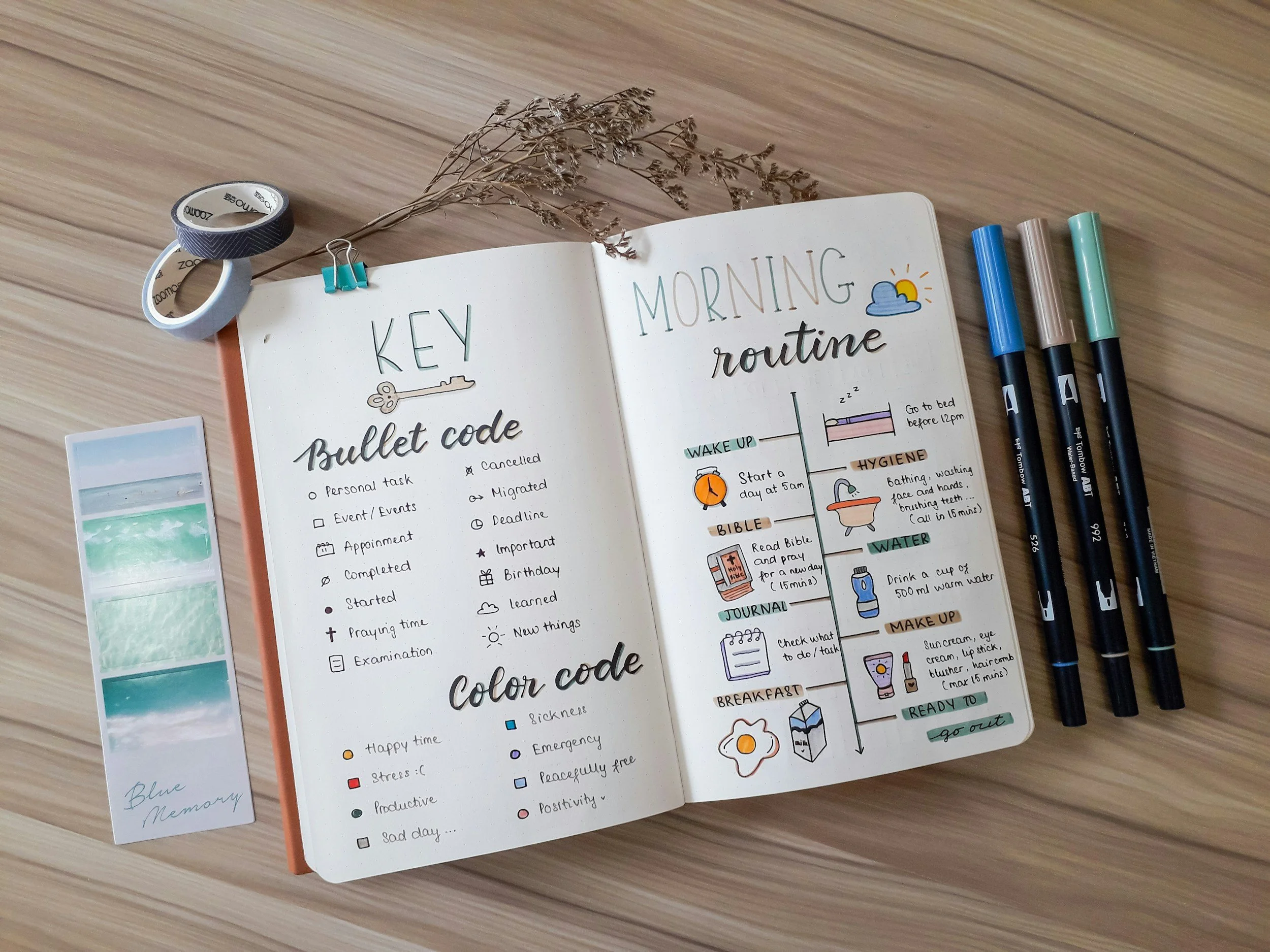
Staying in a healthy routine is hard! There are so many things that grab at our attention and time. Sometimes it feels like life becomes busier by the minute and the thought of committing to a routine can feel like another thing to add to a never-ending to-do list. After working with hundreds of clients, I’ve noticed that the thought of developing a routine and the maintenance it will require every day is the trickiest part. It truly does not have to be that hard, though. Let’s make it less complicated so you can start feeling good about your routine today!
Staying in a healthy routine isn’t about doing a series of tasks perfectly every day. It’s about consistently showing up and trying your best to make time for your priorities while maintaining flexibility. Routines can help us feel grounded, bring balance and structure, and hold us accountable to accomplishing our goals for the day. They should be making life work better for you. After all, what is the point of maintaining a routine that makes you miserable?
Let’s look at 5 crucial factors of maintaining a routine that actually makes your life better.
Identify your top priorities
You need to know what to prioritize in your day. This can be done for different life categories (i.e. health, work, home, social, etc.) or for the day as a whole. I would recommend starting with one day at a time then expanding to life categories once your daily routine feels more effortless. If you’re trying to make everything a priority, nothing is a priority. None of us have the bandwidth to do everything we want to do at 100% and well. I often have my clients identify 3-5 non-negotiable items. If you’re starting out, focus on what adds the most to your day, what is somewhat familiar to you and would be fairly straightforward to implement, or what you think about wanting to make time for most often.
Allow your routine to be flexible
If your routine is based on a perfect day, you’re never going to be able to maintain it. Some days can go perfectly according to plan but it’s not the most likely scenario. If you want to be consistent in a routine, the routine needs to be able to fit into good days, bad days, ok days, and whirlwind days. Identifying your priorities and different ways to make your priorities happen with the amount of time, the energy, and the capacity you have is key. For example:
Priority: eating 3 meals every day
A perfect day (high energy, high capacity, lots of time): you cook 3 very delicious, balanced and interesting meals
A whirlwind day (low energy, low capacity, limited time): you have overnight oats in the fridge for breakfast, get lunch out at work, and have leftovers for dinner
You’re still consistent in your routine to have 3 meals a day but you’re allowing the routine to be flexible. This is flexibility that allows for consistency and a habit to form. Another note on flexibility, it’s important to allow the routine to change if it isn’t working for you.
Make your routine match your season of life
Be honest about the time, capacity, energy, and interest you have for your routine. Many of us have the tendency to want to develop elaborate routines when we’re in a busy or transition season of life. It’s always easier to start small and build on your routine as it becomes habit. If you have capacity for building more into your daily routine or you want to add complexity by building weekly and monthly routines for different categories of life, that’s great. Don’t be afraid to scale back on routines, though. It’s not a failure to scale back. It’s accurately assessing what you have capacity for and structuring or prioritizing accordingly. Remember that a routine is not a mandatory list of tasks you have to complete perfectly for the rest of your life - it’s a tool to help you structure your time and help you feel better. An ideal routine for a college student and a mom probably isn’t the same and that is normal!
Rely on habit, not motivation
Motivation does not sustain routines or healthy habits. Motivation is amazing when it happens but it’s fleeting and inconsistent. There are too many variables that interfere and often the motivation to do something comes from starting in the first place. Instead of waiting for inspiration to strike, make the choice to start and keep trying. Challenge yourself to show up (being flexible will help!) and give yourself a chance to be consistent with your routine on perfect and imperfect days.
Be honest about what’s wasting your time
I know if I’m honest with myself, there are things that I give my time to that are just a waste! (For most of us this involves social media.) This interferes with my focus, decreases what motivation I do have to stay on my routine, and simply eats at the time that I want to be giving to my priorities. If you feel like you want to be in a routine but you’re always falling out of it due to a lack of time, do an audit of what is actually taking up your time and if you’re willing to restructure some of that.